




TABLE OF CONTENTS
- Quick Answer: How Often Does CIBIL Score Update?
- What Is a CIBIL Score?
- How Does the Update Process Work?
- How Long Does It Take?
- What Can Improve Your Score?
- What Can Lower Your Score?
- Why Updates Aren’t Instant
- How Often Should You Check?
- Impact on Home Loan Eligibility
- Tips to Improve Faster
- Common Mistakes to Avoid
- Frequently Asked Questions (FAQs)
- Final Thoughts
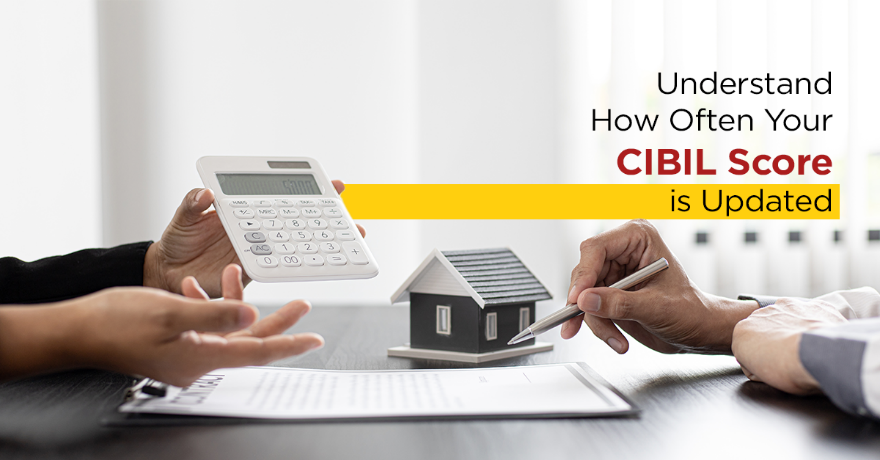
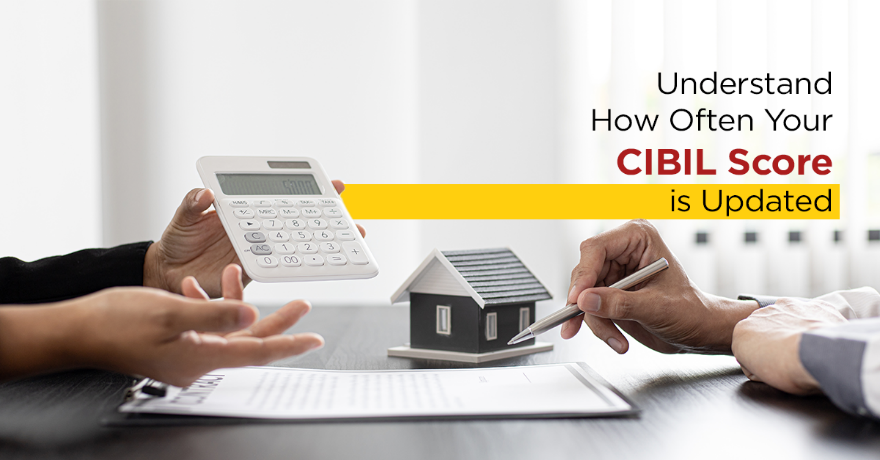
Have you recently paid off a loan or cleared your credit card dues and wondered: “When will my CIBIL score update?” You’re not alone. Many borrowers expect their score to change instantly, but updates follow a structured process involving lenders and credit bureaus. Let’s break down how often your score changes, what influences it, and how long updates usually take.
Quick Answer: How Often Does CIBIL Score Update?
Your CIBIL score is typically refreshed every 30 to 45 days, depending on when lenders report your latest credit activity.
Factors that affect the timeline include:
- Lender reporting cycle
- Loan or credit card activity
- Verification and processing
What Is a CIBIL Score?
A CIBIL score is a three-digit number that reflects your credit behaviour and repayment history. It is calculated using:
- EMI repayment history
- Credit card usage
- Loan balances
- Credit enquiries
A strong score significantly boosts your chances of securing a home loan.
How Does the Update Process Work?
The update cycle happens in four stages:
- Credit activity occurs (EMI payment, loan closure, new application).
- Lenders report updated data to credit bureaus, usually monthly.
- Credit bureau processes and verifies the information.
- Score recalculation reflects new repayment behaviour and balances.
How Long Does It Take?
- Credit card payments → usually within a few weeks
- Loan closure → may take longer
- Major improvements → happen gradually, not overnight
What Can Improve Your Score?
- Paying EMIs on time
- Reducing credit card utilisation
- Clearing outstanding dues
- Maintaining healthy credit behaviour
What Can Lower Your Score?
Certain financial habits can negatively affect your CIBIL score. These include:
- Missed EMIs
- High credit utilisation
- Frequent loan applications
- Loan settlements
- Defaults
Even a single missed payment can negatively impact your profile.
Why Updates Aren’t Instant
Delays happen because:
- Lenders report monthly
- Processing takes time
- Billing cycles differ
- Verification may be pending
Patience is key during the update cycle.
How Often Should You Check?
Check your score periodically, especially:
- Before applying for a loan
- After clearing dues
- After loan closure
- If discrepancies appear
Impact on Home Loan Eligibility
Your score influences:
- Loan approval
- Interest rates
- Loan amount eligibility
- Repayment terms
Tips to Improve Faster
You can strengthen your credit profile by following these simple practices:
- Pay EMIs before due dates
- Avoid maxing out cards
- Limit loan applications
- Monitor reports regularly
- Correct errors quickly
Common Mistakes to Avoid
Many borrowers unknowingly make mistakes that delay credit score improvement, such as:
- Expecting instant improvement
- Missing minimum payments
- Ignoring report errors
- Applying for multiple loans
Frequently Asked Questions (FAQs)
Is CIBIL score updated daily?
No, updates depend on lender cycles.
How long for EMI payments to reflect?
Usually a few weeks.
Why isn’t my score increasing after payment?
Reporting and processing delays.
Does loan closure improve score immediately?
Improvement is gradual.
Does checking my own score reduce it?
No, self-checks don’t affect your score.
What is a good score for home loans?
Higher scores improve eligibility and approval chances.
Final Thoughts
Your CIBIL score doesn’t change overnight. It updates gradually based on repayment behaviour and lender reporting cycles.
The key to a healthy score is consistency:
- Pay dues on time
- Use credit responsibly
- Monitor reports regularly
Good financial habits today can open better borrowing opportunities tomorrow.