




TABLE OF CONTENTS
Running a medical practice often involves balancing patient care with important business decisions. As a clinic grows, doctors may need funds to upgrade equipment, expand facilities, hire staff, or broaden the range of services they offer.
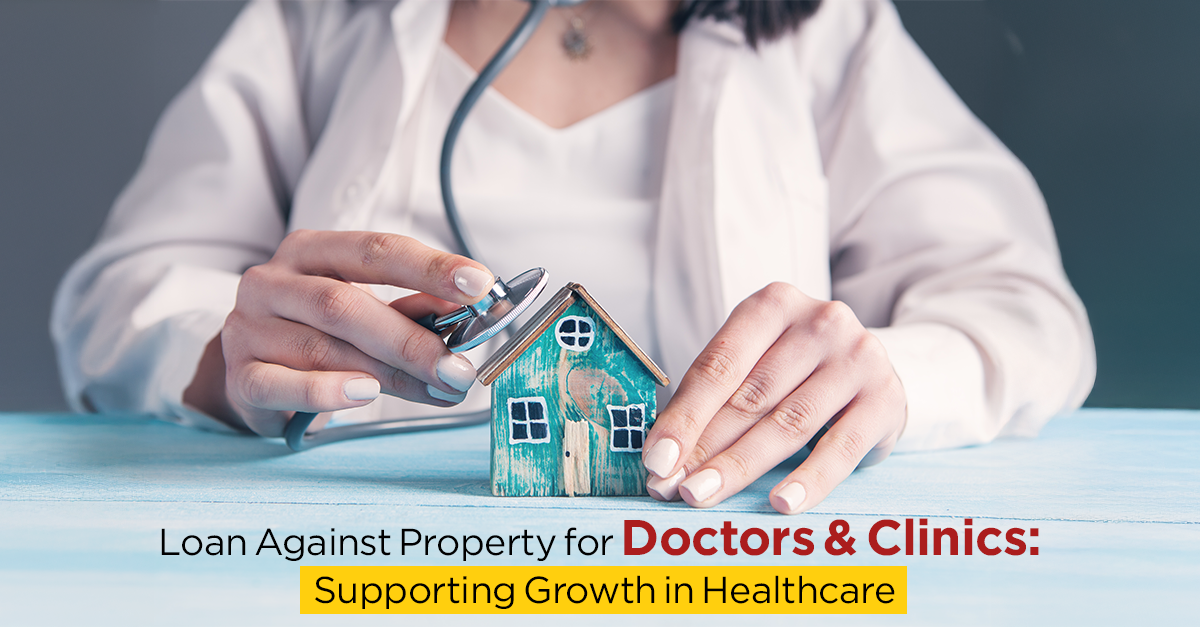
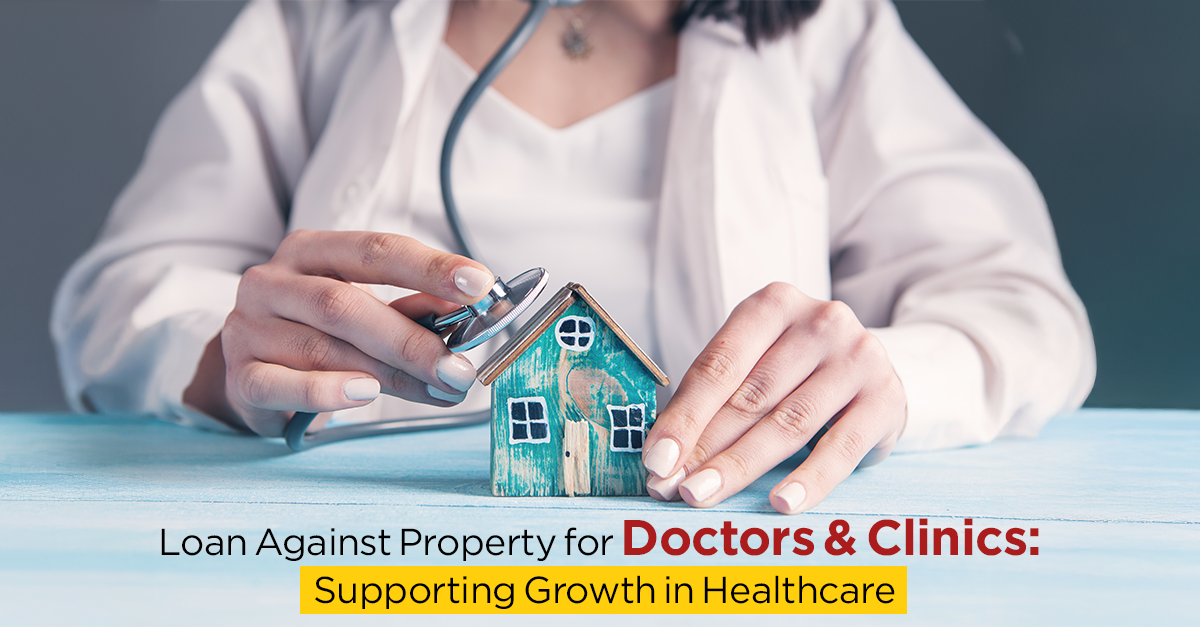
A loan against property for doctors can be a practical way to access capital for these goals. By leveraging the value of a residential or commercial property, doctors can secure funding while continuing to retain ownership of the property. Whether you are planning a clinic upgrade or exploring healthcare business financing, understanding how a Loan Against Property (LAP) works can help you make informed financial decisions.
What is Loan Against Property (LAP)?
A Loan Against Property (LAP) is a secured loan in which an eligible property is pledged as collateral to obtain funding. Unlike financing linked to a specific purchase, a property backed loan for doctors often provides flexibility in how the funds are used, subject to lender policies.
Many healthcare professionals use LAP as a source of long-term financing, allowing them to unlock the value of an existing property without selling the asset.
How Doctors Use LAP for Practice Growth
One of the key reasons doctors choose loan against property is the ability to access funds for expansion while continuing to focus on patient care. A loan against property for healthcare professionals can support a variety of growth initiatives, including:
- Practice Expansion: A loan against property for practice expansion can help fund larger premises, additional consultation rooms, new clinic locations, expanded healthcare facilities, and increased patient capacity.
- Medical Equipment Purchase: Funding for medical equipment purchase and medical equipment financing through LAP can help doctors invest in diagnostic tools, imaging systems, treatment equipment, and specialised medical devices.
- Diagnostic and Specialty Centres: Funding for diagnostic centres can support the setup or expansion of testing facilities, imaging centres, pathology labs, and specialty healthcare units.
- Healthcare Infrastructure Improvement: Financing for healthcare infrastructure can be used for renovation, technology upgrades, facility modernisation, and improving the overall patient experience.
- Working Capital Requirements: Additional liquidity can help manage operational expenses, staffing costs, inventory requirements, and day-to-day cash flow needs.
How Lenders Assess Doctors for LAP
Understanding loan against property eligibility for doctors can help applicants prepare stronger applications and improve approval prospects. When evaluating a loan against property for doctors, lenders typically review:
- Property value: The market value of the pledged property helps determine the potential loan amount.
- Professional income: Earnings from private practice, hospital employment, consultations, or multiple income streams help establish repayment capacity.
- Practice performance and stability: A well-established practice with consistent patient flow and healthy financial performance can strengthen the application.
- Credit profile: A healthy credit history demonstrates responsible borrowing behaviour.
- Existing financial obligations: Current loans and repayment commitments are considered during assessment.
For applicants seeking a property loan for doctors with private practice, maintaining organised financial records and clearly documenting income sources can be especially helpful.
Documents Commonly Required for LAP
Keeping documents ready can help streamline the application process.
- Identity and Address Proof: Documents such as Aadhaar Card, PAN Card, Passport, or Driving License help verify identity and residence.
- Professional Documents: Medical registration certificates, clinic records, and proof of professional practice help establish professional credentials.
- Financial Documents: Income Tax Returns, bank statements, and financial records help lenders assess income and repayment capability.
- Property Documents: Property ownership records and title documents help verify the property being offered as collateral.
Preparing a Strong LAP Application
A well-prepared application can improve the overall borrowing experience and help avoid unnecessary delays. Consider the following:
- Keep personal and professional finances separate: Clear financial records make it easier for lenders to assess income and practice performance.
- Maintain complete documentation: Updated financial and property records can help streamline the evaluation process.
- Review existing liabilities: Understanding current financial commitments helps assess affordability before borrowing.
- Plan expansion costs realistically: Detailed budgeting reduces the risk of funding gaps during implementation.
- Maintain a healthy credit profile: Consistent repayment behaviour can strengthen lender confidence.
For example, Dr. Meera Kapoor, who operated a successful multi-specialty clinic, wanted to add diagnostic services and modern imaging equipment to meet growing patient demand. Before applying for a loan against property for doctors, she organised her practice finances, updated property records, reviewed existing liabilities, and prepared a detailed expansion plan.
This helped present a clearer financial picture to the lender and ensured that the funding aligned with her long-term business objectives. The result was a smoother application process and access to capital that supported the next phase of her clinic's growth.
Apply for a LAP with PNB Housing Finance
Conclusion
Growth opportunities in healthcare often require timely access to capital. Whether the goal is expanding a practice, upgrading medical equipment, establishing a diagnostic centre, or improving healthcare infrastructure, the right funding can help turn those plans into reality.
A loan against property allows healthcare professionals to unlock the value of an existing asset and use those funds to support future growth. For doctors exploring clinic growth funding options, healthcare business financing, or long-term financing for doctors and clinics, LAP can provide the flexibility needed to invest in the future of their practice while continuing to focus on patient care.
Frequently Asked Questions
1. Why do doctors choose loan against property?
Many doctors choose loan against property because it can provide access to funds for practice expansion, medical equipment purchases, healthcare infrastructure improvements, and working capital requirements.
2. What factors affect loan against property eligibility for doctors?
Key factors include property value, professional income, practice stability, credit profile, and existing financial obligations.
3. How do lenders assess doctors for LAP?
As part of how lenders assess doctors for LAP, lenders typically review income sources, property value, practice performance, repayment capacity, and credit history.
4. Can private practitioners apply for a loan against property?
Yes. A property loan for doctors with private practice may be available, subject to lender eligibility criteria and documentation requirements.
5. What documents are typically required for LAP?
Identity proof, professional documents, financial records, and property-related documents are commonly required during the application process.