




TABLE OF CONTENTS
When borrowers face financial strain and are unable to keep up with their loan repayments, they sometimes turn to loan settlement as a way out. Loan settlement happens when the borrower and lender agree on a one-time payment that is lower than the outstanding amount, after which the loan account is considered closed.
It’s important to note that loan settlement is different from loan prepayment. In a prepayment, the borrower repays the full outstanding amount (partly or fully) before the due date, improving their credit profile. In contrast, a settlement involves paying less than owed, which negatively impacts the credit score.
While this may appear to be a relief in the short term, many borrowers do not fully understand the lasting impact on their CIBIL Score. Understanding how settlement affects your credit history is crucial if you want to maintain financial health and remain eligible for future loans.
How Loan Settlement Impacts Your Credit Score
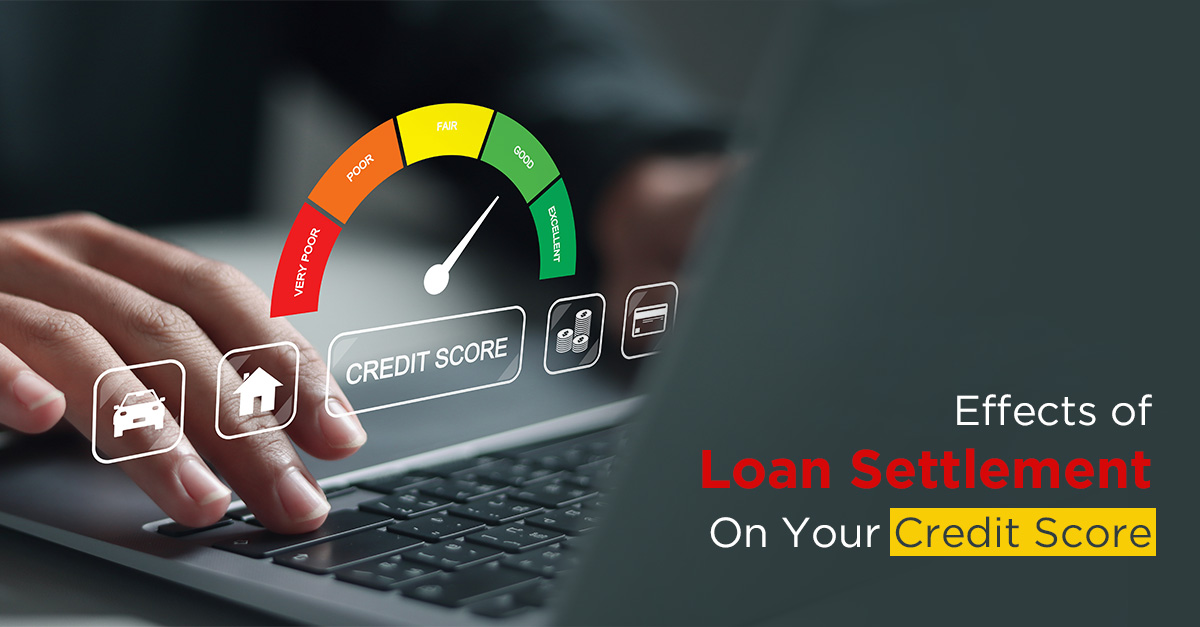
Credit bureaus, such as CIBIL record the loan settlement process. When a lender updates your record as “settled” instead of “closed,” it sends a signal that you were unable to meet the full repayment obligation. Lenders view this negatively because it shows that the borrower did not honour the loan terms in full.
As a result, your CIBIL Score drops significantly. While the exact reduction depends on your credit history, even a single settlement can lower your score by several points. More importantly, the settlement remark remains on your credit report for up to seven years, meaning that any bank or financial institution assessing you for a future loan will see that history.
For home loans in particular, lenders such as PNB Housing place great emphasis on creditworthiness. A low score resulting from a past settlement can make it more challenging to secure competitive interest rates, or in some cases, even lead to outright rejection.
Pros and Cons of Loan Settlement on Your Credit Score
Like most financial decisions, loan settlement has both positive and negative aspects. Understanding these will help you weigh whether it is the right choice for you.
Pros
Immediate relief:
For borrowers unable to keep up with EMIs, settlement provides quick relief from mounting debt pressure.
Reduced liability:
The lender accepts a smaller amount, helping you close the account sooner.
Short-term peace of mind:
It removes the stress of continuous collection calls and overdue notices.
Cons
Drop in credit score:
A “settled” status damages your CIBIL Score, making future borrowing harder.
Long-term impact:
The record of settlement stays on your report for years, reducing your attractiveness as a borrower.
Limited future options:
With a history of settlement, lenders may hesitate to approve new loans or may offer them at higher interest rates.
Loss of trust:
Even if you plan a pre loan settlement, lenders may see it as a failure to honour the original agreement.
Unveiling the Effects of Loan Settlement on Your Financial Health
The consequences of settling a loan go beyond just numbers on a credit report.
Difficulty in accessing credit:
With a poor score, banks and housing finance companies may be reluctant to approve your loan applications. Even if approved, you may be required to provide a guarantor or collateral.
Higher interest burden in the future:
A low score often leads lenders to offer loans at higher interest rates to offset the risk. This makes borrowing costlier in the long run.
Stress on financial planning:
If you plan to buy a home in the future, a past settlement can derail your plans. Your application may be scrutinized heavily, potentially delaying approval or requiring additional documentation.
Missed opportunities:
Beyond loans, a poor score can affect credit card applications and even financial products where credibility is evaluated.
The better alternative to settlement is to plan ahead. Before resorting to a settlement, explore options like restructuring your loan, requesting an extension in tenure, or seeking a temporary moratorium from your lender. Institutions like PNB Housing encourage responsible borrowing and offer transparency, enabling customers to make informed choices.
Conclusion
While the loan settlement process may seem like a lifeline during financial stress, it comes with long-term costs that can outweigh the short-term relief. From lowering your credit score to limiting your ability to borrow in the future, settlement should only be considered as a last resort. Instead, maintaining a good repayment record, exploring restructuring options, or discussing alternatives with your lender can help safeguard your financial future.
Remember, your credit score is a reflection of your financial credibility. Protecting it should be a priority if you plan to access loans for important milestones such as buying a home.
Check your credit eligibility and plan your loans better with PNB Housing’s Home Loan EMI & Eligibility Calculator.
FAQs
Does settling a loan affect my credit score?
Yes, loan settlement reduces your credit score because it shows that you did not repay the loan in full. Lenders mark it as “settled” instead of “closed,” which is viewed negatively.
Can a loan settlement lower my credit score?
Absolutely. Even a single loan settlement can cause a sharp drop in your score and affect your credit history for up to seven years.
What should I consider before settling a loan to protect my credit score?
Explore alternatives such as loan restructuring, extending tenure, or seeking support from your lender. Settlement should only be a last option.
How long does a loan settlement affect my credit score?
The remark of settlement usually stays on your report for about seven years, during which lenders can see it when you apply for new credit.