




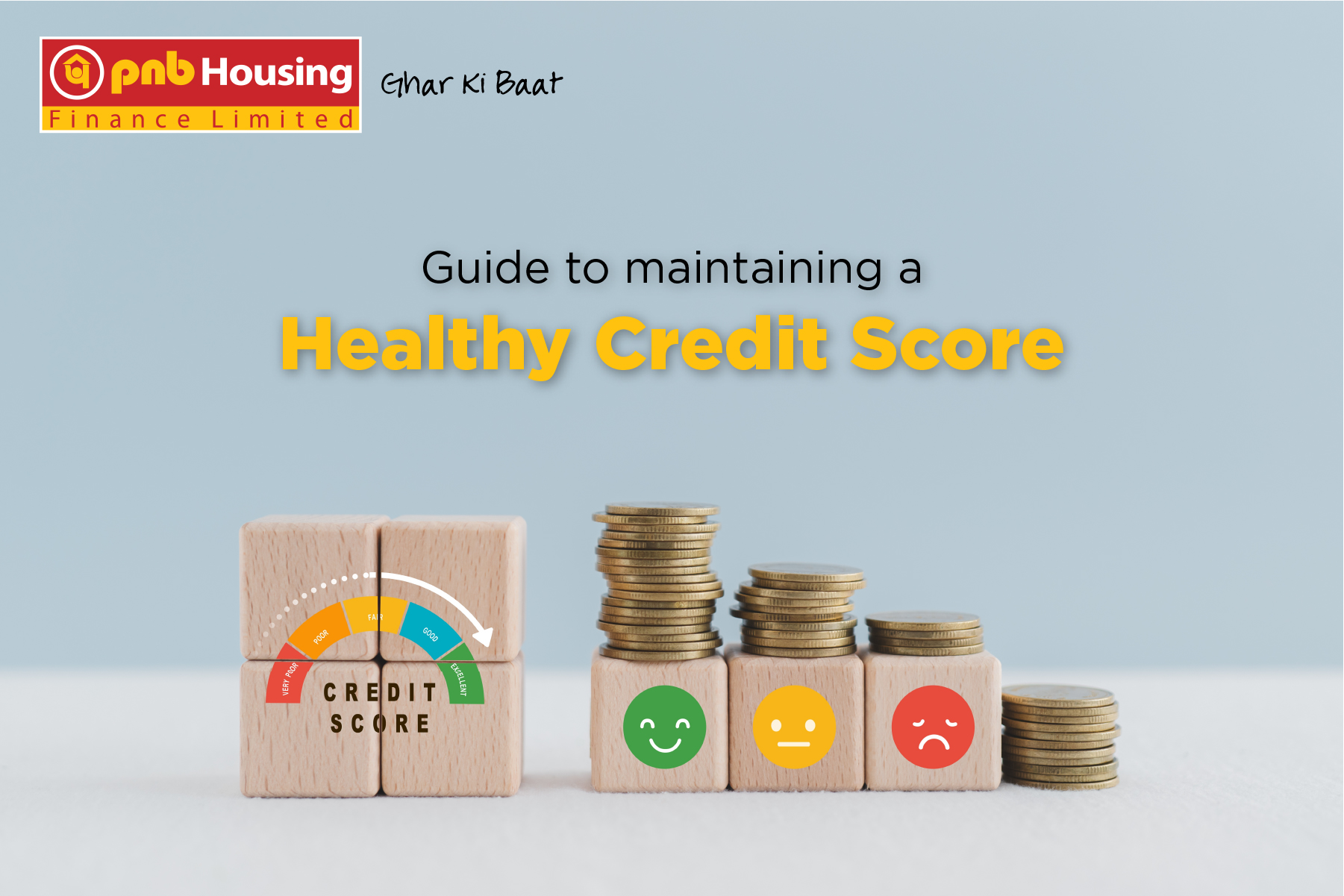
Your credit score is similar to a financial report card; keeping it well is crucial for a smooth financial journey. Here are the secrets to maintaining a healthy credit score.
• Pay On Time, Every Time: Timely payments of loans, credit cards, and bills are golden. Consistent payments reflect responsibility and boost your score.
• Credit Utilisation: Aim to use only a portion of your available credit. High credit utilisation can signal financial strain and lower your score.
• Diverse Credit Mix: A mix of credit types – like credit cards, loans, and mortgages – showcases your ability to manage various financial responsibilities.
• Avoid Frequent Applications: Multiple credit applications in a short time can raise red flags. Apply when necessary to avoid unnecessary dents in your score.
• Regularly Check Credit Reports: Monitor your credit reports for errors or discrepancies. Reporting inaccuracies promptly is vital.
• Keep Old Accounts: Longer credit history is favourable. Please don't rush to close old accounts; they positively affect your score.
• Responsible Credit Management: Demonstrate responsible borrowing by managing credit within your means. Overspending can lead to a spiral of debt.
• Limit New Credit: Opening too many new accounts can make lenders cautious and potentially lower your score.
Building and conserving a healthy credit score is a journey, not a sprint. Remember these tips, make smart financial decisions, and watch your credit score reflect your responsible financial habits. With diligence and informed choices, your financial journey could be smoother than you expected!
FAQs
What does a healthy credit score mean?
A healthy credit score means you have a strong record of on-time payments, low debt relative to credit limits, and responsible credit behaviour. It signals to lenders that you are a low-risk borrower, increasing your chances of smooth loan approval and favourable terms.
How can I increase my credit score quickly?
Pay all your EMIs, bills, and credit dues on time, and avoid missing or delaying payments. Keep your debt levels low relative to credit limits, do not overextend, and avoid applying for too many loans or cards at once. Over time, these habits build a stronger credit history.
What credit score do I need to qualify for a housing loan?
For a home loan with PNB Housing, the minimum credit score requirement is 611. A higher score will improve your loan terms and approval chances.
What is considered a good credit score?
In India, credit scores in the range of 650–749 are generally considered good, while 750 and above is regarded as very good or excellent.
What is the best credit score a person can have?
Credit scores are typically on a 300–900 scale as per Indian credit bureaus. A score close to 750+ is ideal; it represents an excellent credit history and makes you among the lowest-risk borrowers in lenders’ eyes.
What are the benefits of a high credit score?
With a high credit score, you are more likely to get your home loan approved quickly. You may also receive lower interest rates, better loan amounts, faster processing, and generally more favourable loan terms.
Which habits or financial behaviours affect your credit score?
- Timely payment of EMIs, bills, and credit-card dues
- Maintaining low balances on credit cards or loans and avoiding a high debt-to-credit-limit ratio
- Avoiding frequent new loan or credit card applications which lead to multiple credit inquiries
- Keeping older credit accounts active to show longer credit history and discipline